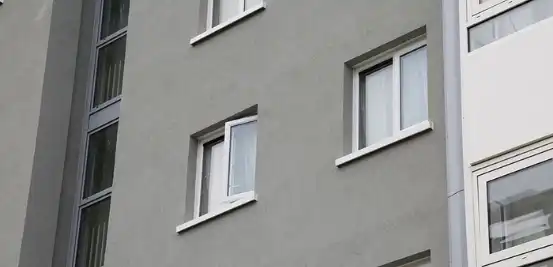
The short answer is a modern pvc window in social housing is no longer a basic building element. It is a safety-critical component that must meet strict regulatory standards across fire performance, security, durability and energy efficiency.
For housing associations and local authorities, specifying the right window system is a compliance decision that directly affects tenant safety and long-term asset performance. Modern uPVC windows deliver across all these requirements when designed, manufactured and installed correctly.
This guide explains why.
What makes a pvc window compliant in social housing?
A compliant pvc window must satisfy multiple areas of UK Building Regulations. These are not optional and apply to both new windows and replacement windows. Key regulations include:
| Regulation | What it covers |
|---|---|
| Part B | Fire safety and emergency escape routes |
| Part K | Protection from falling, impact and collision |
| Part L | Energy efficiency and heat loss (U-values) |
| Part Q | Security against unauthorised access |
| Part F | Ventilation and indoor air quality |
| Part O | Overheating prevention (new builds, from June 2022) |
Each regulation introduces specific performance criteria. A window that fails in one area cannot be considered compliant overall. This is why the specification of modern uPVC windows has become far more technical in recent years.
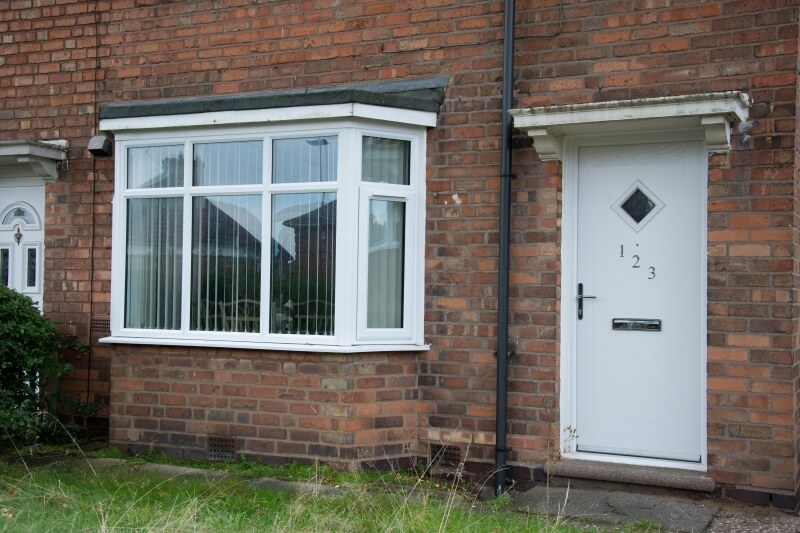
Why is the pvc window a safety-critical choice?
Windows now play a direct role in occupant safety, not just comfort. A correctly specified system must allow safe escape in the event of fire, resist forced entry, prevent falls from height, maintain indoor air quality, reduce heat loss and energy bills, and withstand decades of daily use.
The combination of these requirements makes uPVC window frames a practical and widely adopted solution across the UK. uPVC remains a popular choice, installed in over 85% of British homes due to its balance of performance and cost.
Fire safety and escape requirements
Fire performance is the most critical requirement. Under Part B, windows in habitable rooms must provide an accessible escape route. This includes:
- Minimum openable area of 0.33m²
- Minimum width or height of 450mm
- Bottom of opening no higher than 1,100mm from floor level
Failure in any of these areas can put lives at risk and modern uPVC casement windows are designed to meet these dimensions as standard for peace of mind.
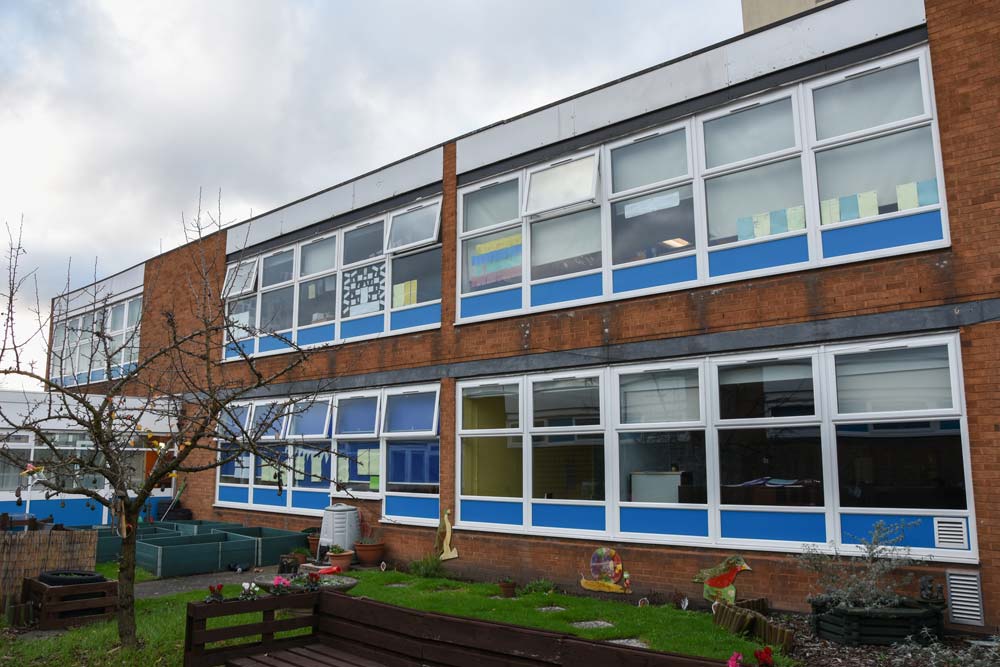
Security performance and forced entry resistance
Window security is the second major pillar of compliance. Around one third of burglaries involve access through a window. For social housing, this risk must be addressed through design and testing.
Part Q requires windows to meet recognised security standards such as PAS 24. A compliant upvc window typically includes:
- Multi-point locking systems
- Reinforced window frame construction
- Impact-resistant glazing
- Secure hinges and handles
Shelforce manufactures uPVC windows with high-security frames and multipoint locking systems fitted as standard.
How uPVC supports structural strength and durability
The material itself plays a major role in performance. uPVC stands for unplasticised polyvinyl chloride, a rigid material that does not soften over time. This gives it significant advantages over older PVC systems.
Key structural benefits include a high resistance to warping and weathering, strong stable frames and resistance to rotting. The design inside upvc window frames adds further strength while supporting thermal insulation.
For housing providers, this translates to:
- A lifespan of 20 to 35 years
- Minimal maintenance requirements
- Reduced need for early replacement
This makes uPVC one of the best option choices for long-term asset management.
Thermal efficiency and reducing heat loss
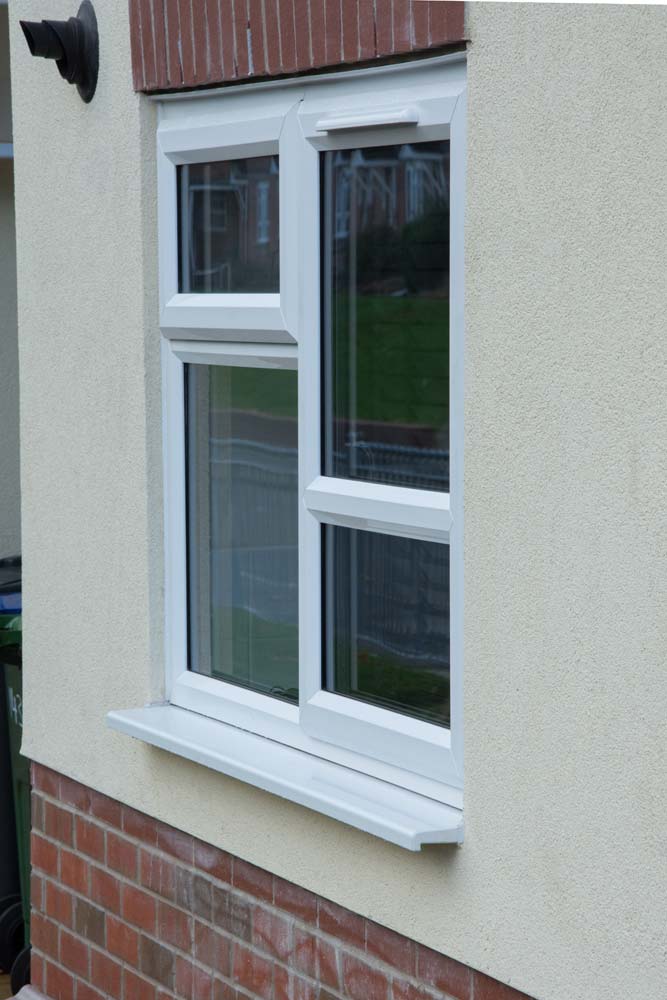
Energy performance is a central concern in social housing. A poorly performing pvc window can significantly increase heat loss and drive-up energy bills for tenants.
Under Part L, windows must meet a minimum U-value of 1.4 W/m²K. High-performance systems can achieve values as low as 0.8 W/m²K. Modern double glazing systems achieve this through multi-chamber frame construction, argon gas-filled sealed units and advanced spacer bars to reduce thermal bridging These features work together to deliver:
- Excellent insulation
- Lower heat loss
- Improved home’s energy efficiency
- Reduced reliance on heating systems
For tenants, this means using less energy and facing lower energy bills.
Ventilation and indoor air quality
Ventilation is often overlooked, yet it is critical for tenant health. Poor airflow can lead to damp and mould, which are classified as serious hazards. Under Part F:
- Replacement windows must maintain existing ventilation levels
- New windows must include background ventilation such as trickle vents
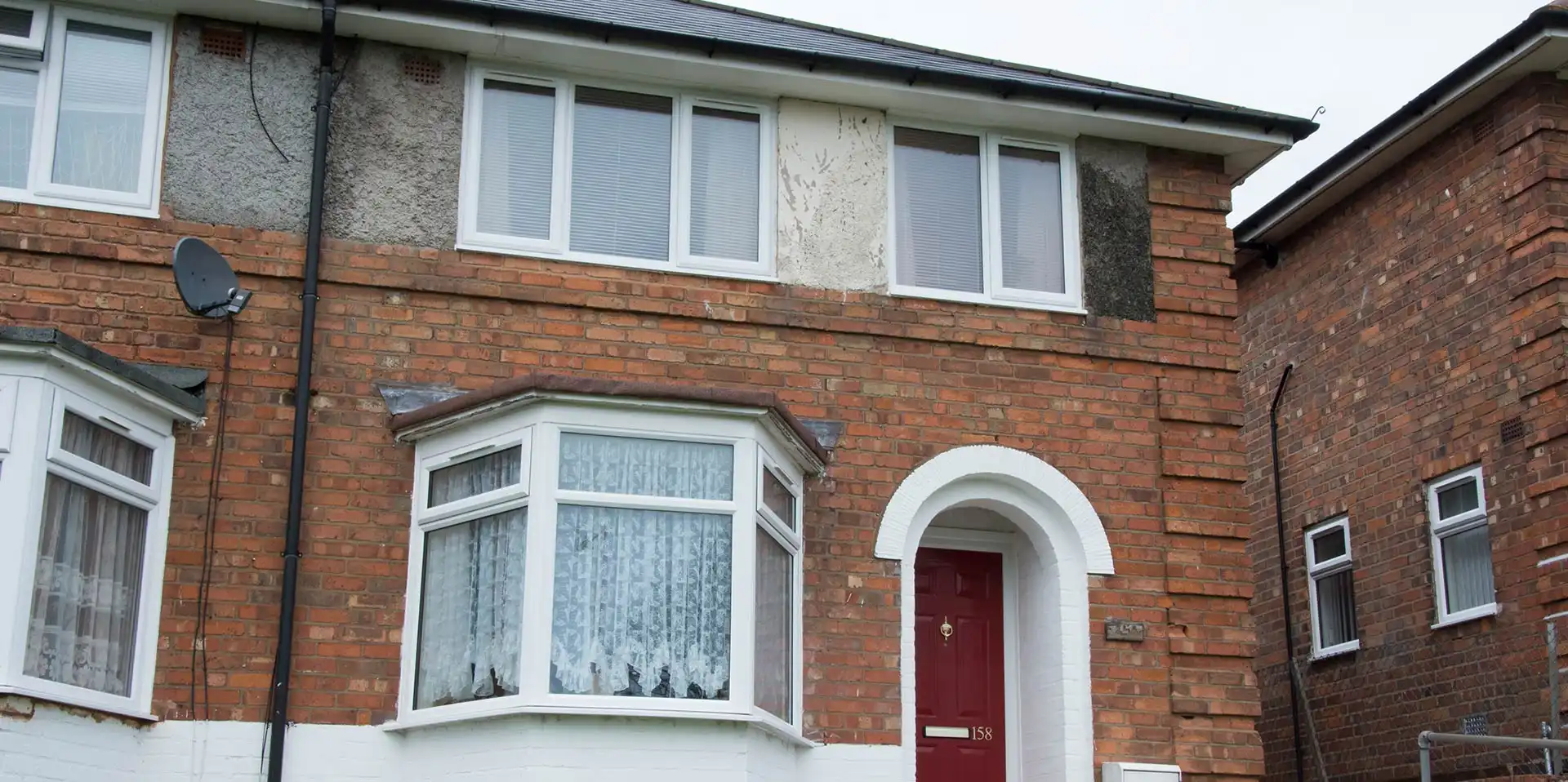
Modern upvc casement windows can incorporate these features without compromising thermal efficiency. This ensures continuous airflow, reduced moisture build-up and improved indoor air quality
Fall prevention and occupant protection
Safety also includes protection from falling. Part K requires measures to prevent accidents, especially in upper-floor properties.
This is addressed through window restrictors, controlled opening mechanisms and safe hardware.
Modern upvc window frames can integrate restrictors directly into the system, reducing the risk of tampering or removal. This is particularly important in housing with vulnerable tenants.
Durability and low maintenance benefits
For housing associations, maintenance costs are a major consideration. One of the key benefits of uPVC is its durability combined with low maintenance requirements.
Unlike timber, uPVC does not require regular painting, sealing or treatment, meaning there is no need for frequent repairs or regular maintenance. This results in minimal maintenance over the product lifecycle, lower operational costs and consistent performance over time.
For large-scale programmes involving replacement upvc windows, this reliability is essential.
Acoustic performance and tenant wellbeing
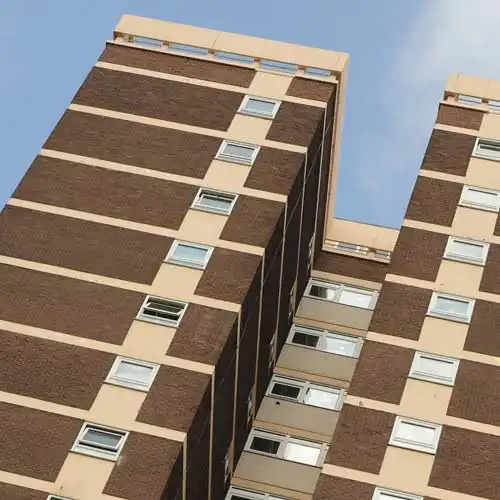
Noise pollution is a growing issue in urban social housing. Modern pvc windows offer strong sound insulation, particularly when combined with double glazing.
This helps to reduce external noise, improve sleep quality and support overall wellbeing While not always a primary specification factor, acoustic performance contributes to better living conditions.
The impact of the building safety act
The regulatory landscape has changed significantly in recent years. The Building Safety Act introduces the concept of a “golden thread” of information. This requires:
- Full traceability of materials
- Documented test evidence
- Clear compliance records
Choosing the right upvc windows supply partner is now a risk management decision as much as a procurement one.
Why manufacturing quality matters
Not all uPVC systems are equal. The performance of a new upvc windows installation depends on profile quality, manufacturing standards and installation quality.
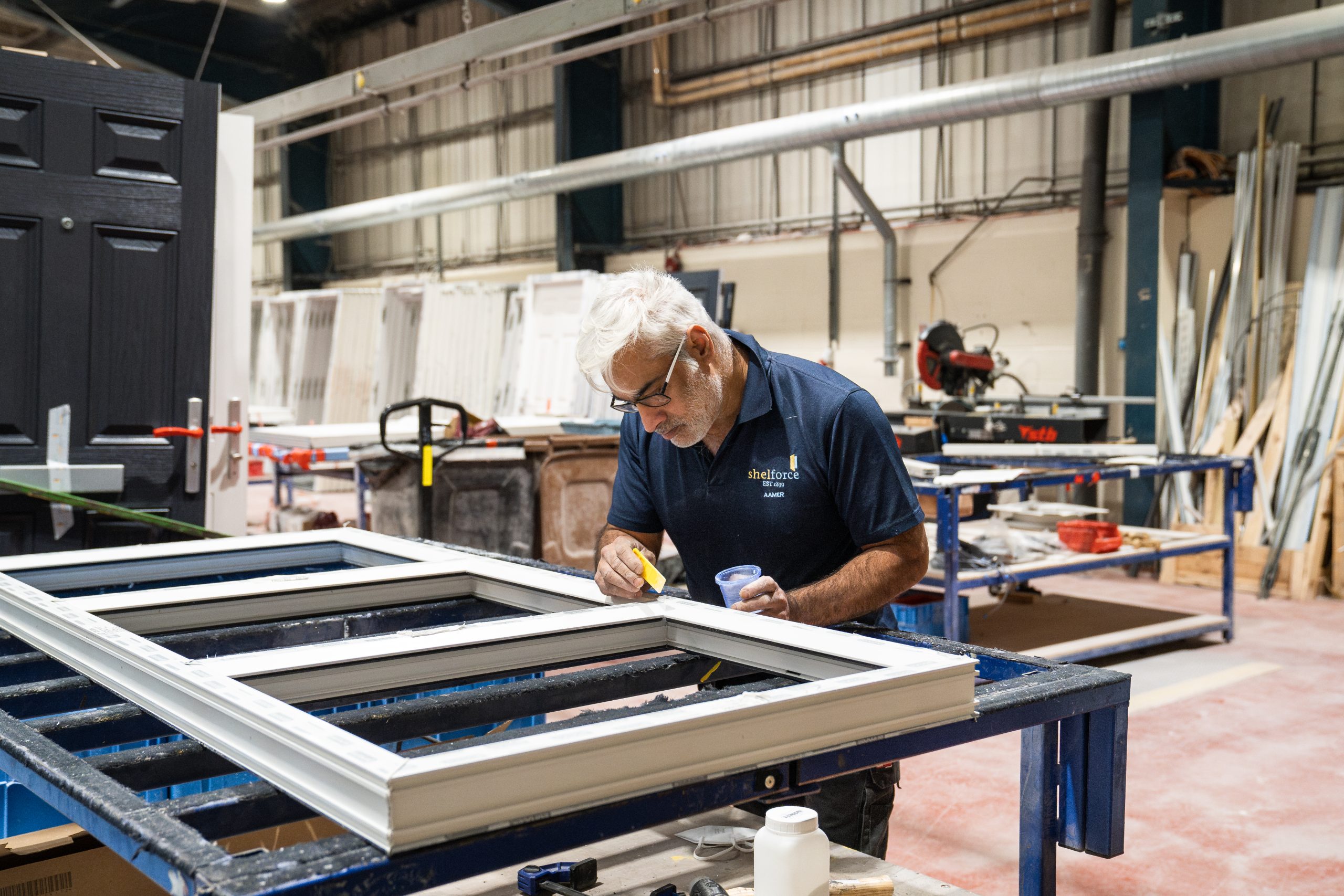
Shelforce manufactures uPVC windows using high-quality systems and rigorous testing processes. Products are built to meet recognised standards and withstand the demands of social housing environments to ensure consistent performance, long-term reliability and full regulatory compliance.
Why housing providers choose uPVC at scale
For large refurbishment and new build programmes, uPVC offers a combination of advantages that few materials can match. These include:
- Great value compared to alternatives
- Strong thermal efficiency
- Proven durability
- Compatibility with modern compliance standards
- A perfect fit for both refurbishment and new build projects
This is why replacement windows in social housing are most commonly specified in uPVC.
Speak to Shelforce about your next project
Shelforce has over 30 years of experience supplying windows and doors for social housing projects. Working with major contractors and local authorities, Shelforce provides:
- High-performance new windows designed for compliance
- Reliable supply for large-scale programmes
- Technical expertise across all regulatory requirements
- Products manufactured to rigorous safety and security standards
If you are planning a refurbishment or new build scheme, choosing compliant, high-performance windows is critical. Shelforce provides robust, tested and reliable If you are planning a refurbishment or new build scheme, choosing compliant, high-performance windows is critical. Shelforce provides robust, tested and reliable solutions designed specifically for social housing. To discuss your requirements or explore the full range of modern uPVC windows, contact the Shelforce team today and find the right specification for your project so you can make an informed decision.


 >
>