The short answer: Lean manufacturing reduces defects, standardises the production process and builds quality into every stage of the production line. For landlords, that translates directly into fire doors and windows that meet compliance requirements first time, every time.
Keep reading to understand how lean manufacturing works in practice, why it matters for fire safety compliance, and what procurement teams should look for when sourcing products for residential buildings.
What is lean manufacturing and why does it matter?
Lean manufacturing is a production philosophy focused on waste elimination and maximising customer value. Originating from the Toyota Production System, it has become a benchmark across industries, particularly in the automotive industry where consistency and safety are critical.
The principles of lean manufacturing are structured around five core ideas:
- Define value from the perspective of customer demand
- Map the value stream
- Create uninterrupted production flow
- Establish pull systems
- Commit to continuous improvement
Alongside this sits the identification of the types of waste, including overproduction, waiting, excess inventory, unnecessary motion and defects. For building products, these directly influence whether the final product meets safety standards or fails under scrutiny.
Why lean manufacturing matters for fire safety compliance
Fire doors are life safety products. Their performance depends on precise assembly, correct raw materials and strict adherence to tested specifications. A small deviation in the manufacturing process can lead to:
- Misaligned intumescent seals
- Incorrect hardware specification
- Compromised fire resistance
Lean thinking reduces these risks by tightening control over the entire manufacturing process. It ensures that every unit produced matches the tested standard, not just occasionally but consistently.
For landlords, this consistency is the foundation of compliance.
How does lean manufacturing reduce fire safety risks?
This is where lean production connects directly to regulatory outcomes.
Defects are treated as critical waste
In lean management, defects are one of the most serious forms of waste. They increase production costs, disrupt supply chains and reduce customer satisfaction.
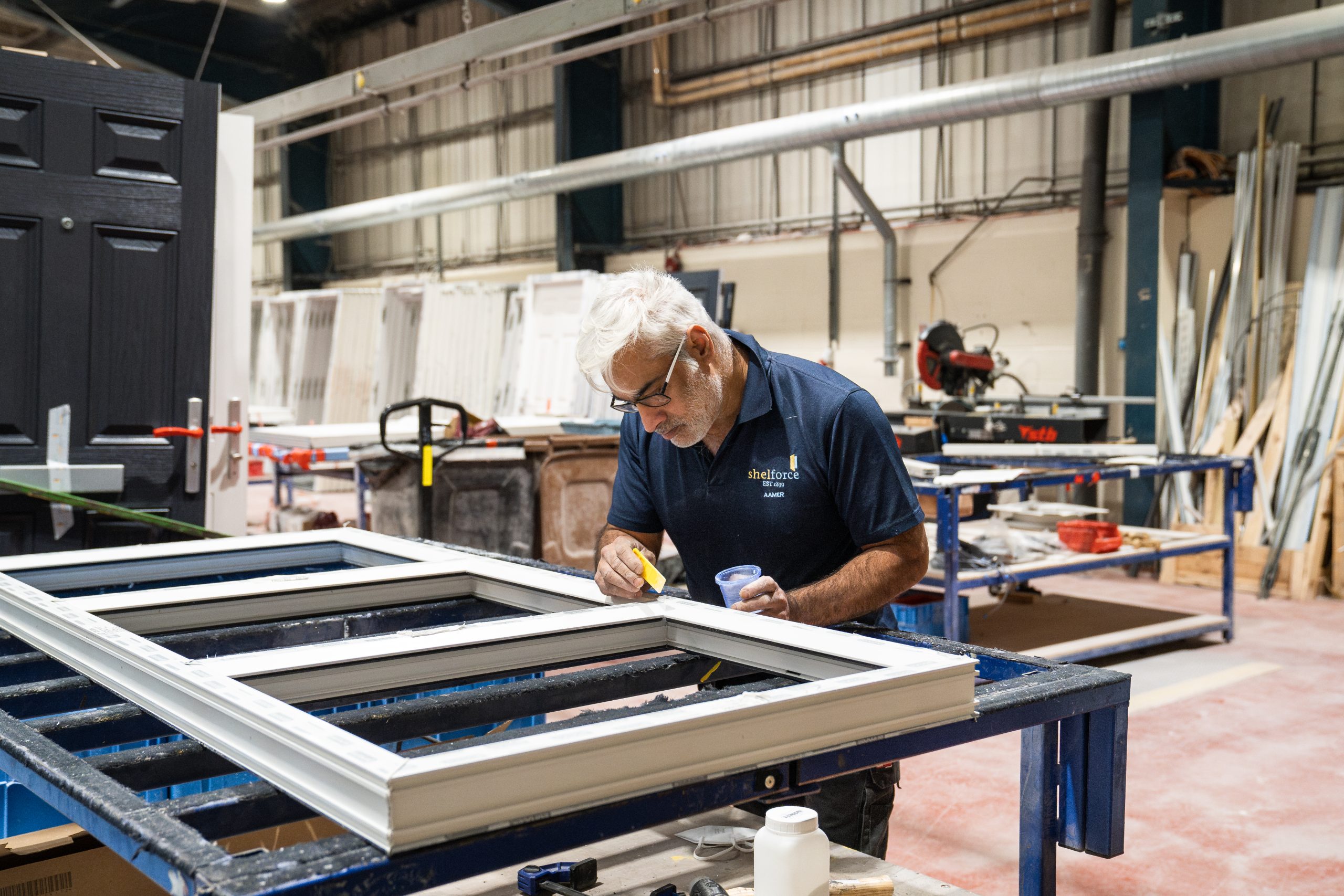
Lean manufacturers use robust quality control systems, real-time monitoring and skilled team members trained to detect errors.
In fire door production, this approach ensures defects are identified before the final product leaves the shop floor.

Standard work creates repeatable compliance
Fire doors must replicate tested specifications exactly. This is where standard work becomes essential. Standardisation ensures:
- Every component is installed identically
- Assembly follows a fixed, documented process
- Product quality remains consistent across high volumes
Without standard work, compliance becomes unpredictable. With it, compliance becomes repeatable.
Quality at the source prevents downstream compliance failure
A key lean approach is quality at the source (QATS). Instead of relying on final inspections, quality is built into each stage of the production process.
This means team members take responsibility for quality, issues are addressed immediately and production can be stopped to resolve defects. For landlords, this reduces the risk of non-compliant products being installed and later failing inspections.
Value stream mapping identifies hidden risks
Value stream mapping (VSM) is one of the most effective lean tools for process improvement. It provides a full view of the production flow, highlighting inefficiencies and potential failure points. In fire door manufacturing, it helps identify:
- Where specification drift may occur
- Where delays affect lead times
- Where errors are most likely to arise
By addressing these points, manufacturers create a more reliable production line.
What regulations are landlords working under?
The legal framework for fire safety has tightened significantly. The Fire Safety (England) Regulations 2022 introduced quarterly fire door inspections in communal areas, annual checks for flat entrance doors and greater accountability for building owners.
These regulations sit alongside the Regulatory Reform (Fire Safety) Order 2005 and updated fire door guidance introduced in 2024.
According to UK Government guidance, regular inspections are now a legal requirement in residential buildings over 11 metres. This has increased pressure on landlords to ensure every installed fire door meets compliance standards from day one.
Failure to comply can result in fines or imprisonment.
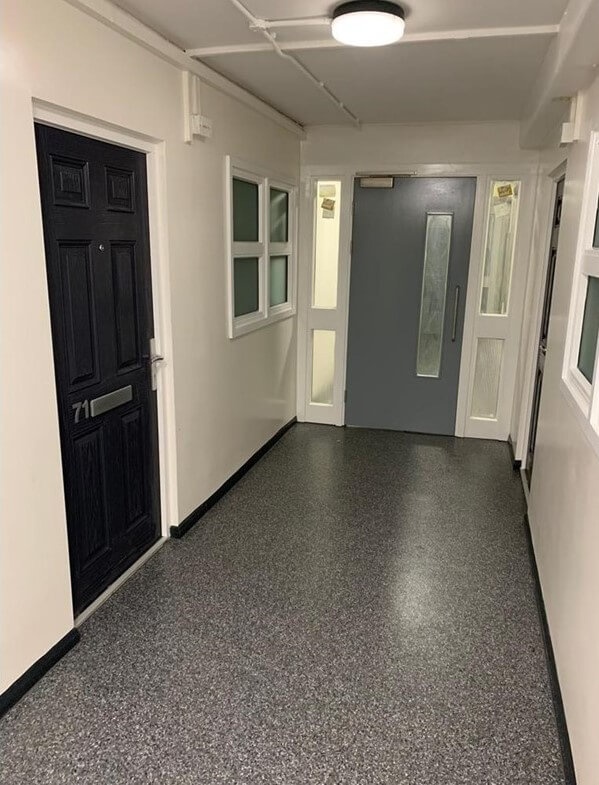
What properties require compliant fire doors?
Fire safety regulations cover a wide range of properties, from multi-occupancy dwellings such as hotels, guesthouses and nursing homes to residential properties including houses in multiple occupation (HMOs), residential dwellings for students and sheltered housing complexes.
HMO landlords must install half-hour protective fire doors (FD30) on all habitable rooms leading to a stairwell, complete with closers and intumescent strip seals.
Fire doors are legally required for flats that open onto communal areas shared with other tenants. In domestic dwellings above two levels where the door leads to a habitable room, every door leading to the stairwell at all levels must be a fire door.
Each element must meet tested standards and this is where the manufacturing process becomes critical.
Lean manufacturing at Shelforce: how the factory floor connects to fire safety outcomes
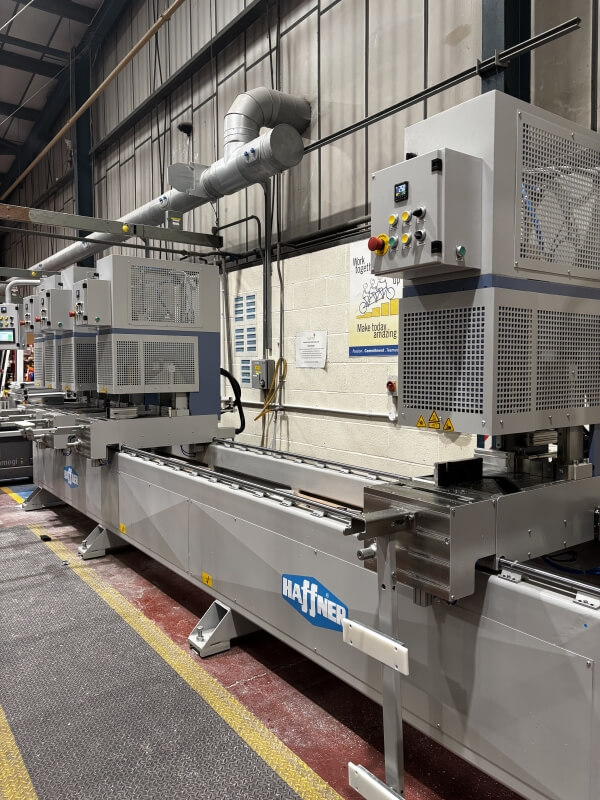
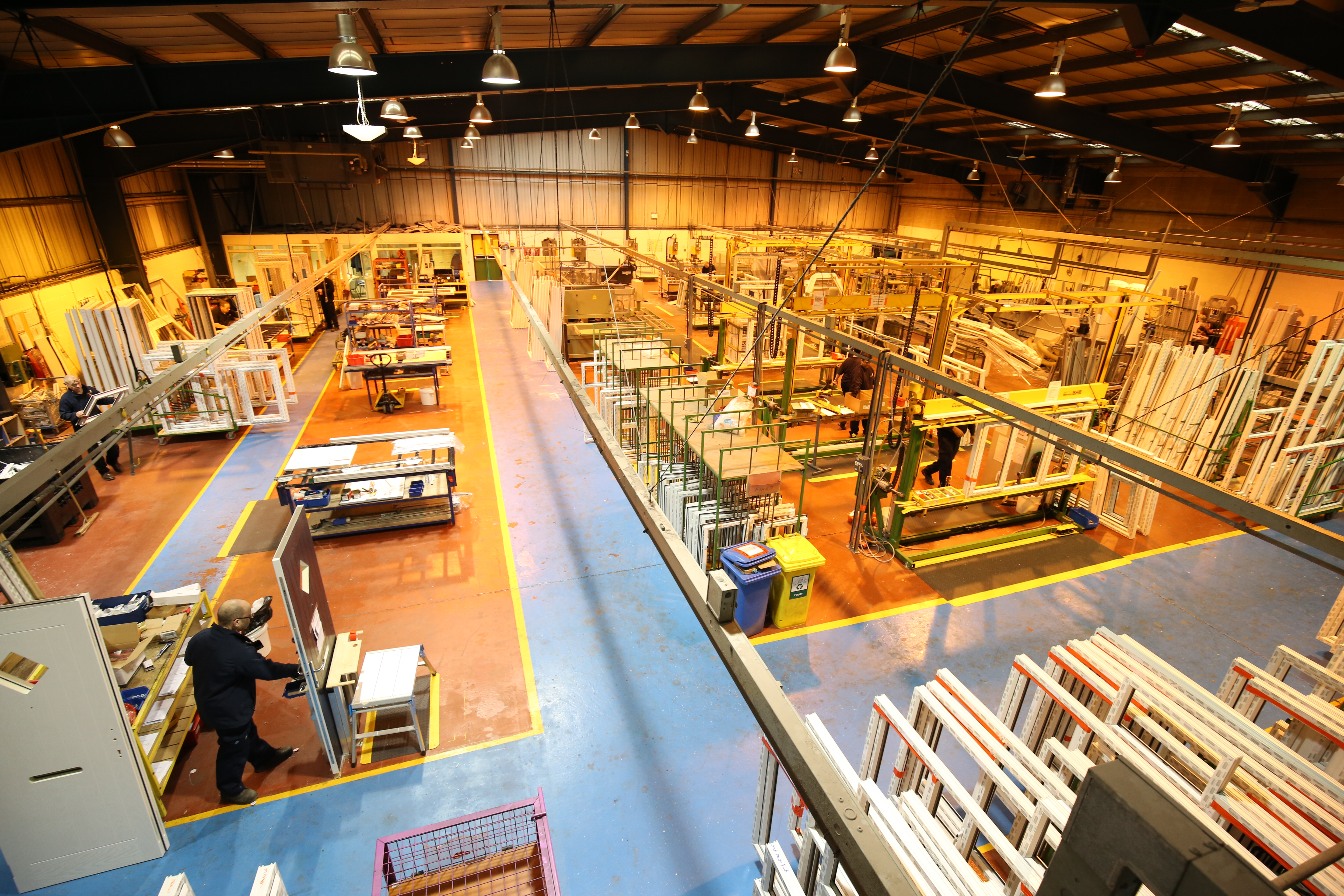
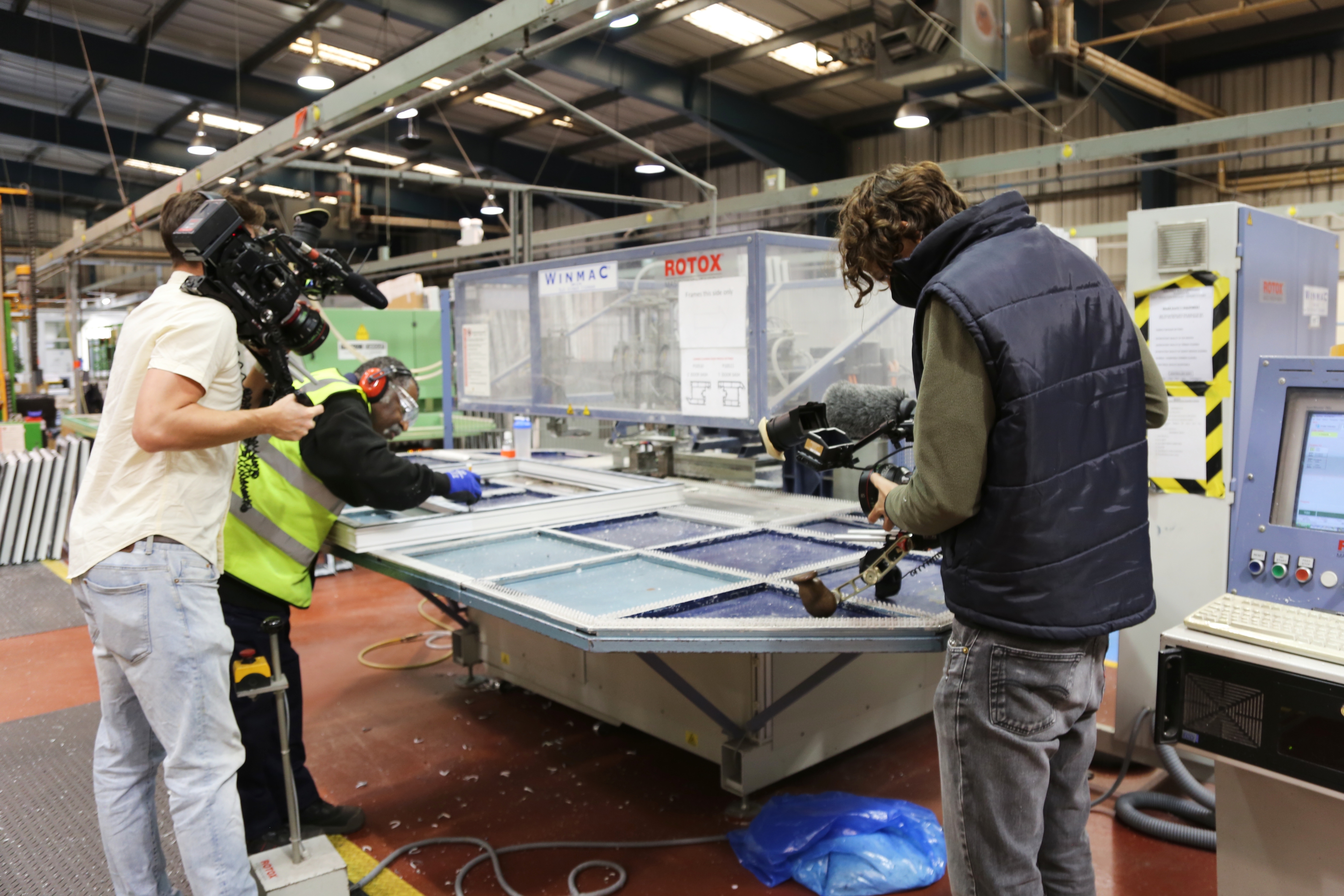
Shelforce has embedded lean manufacturing principles into its operations at its Birmingham facility. This is not a surface-level approach. It shapes every stage of production. Key aspects include:
In-house manufacturing
All uPVC windows and doors, including its FD60 Fireshel fire door, are manufactured on a single site. This reduces reliance on external supply chains and limits variation.
Controlled production flow
Lean production ensures smooth movement of materials through the production line, reducing delays and maintaining consistent quality.
Focus on process improvement
Continuous improvement is part of daily operations, with regular evaluation of key performance indicators and production outcomes.
Strong work environment
Lean thinking depends on engaged team members. Shelforce’s inclusive workplace supports accountability and attention to detail on the shop floor.
Find out just how efficient Shelforce has been thanks to the benefits of lean manufacturing here.
How lean production supports consistent fire door performance
The Fireshel fire door system demonstrates how lean manufacturing principles translate into compliance. Key features include:
- Fire and smoke tested to EN standards
- Third-party accredited under Q Mark schemes
- Tested from both sides for consistent performance
- Achieving up to 49 minutes fire resistance in testing
These results are not accidental. They are the outcome of a controlled manufacturing process built on lean principles.
Third-party accreditation also plays a critical role in compliance and ensures reliability and Fireshel doors are:
- Q Mark 170 Scheme accredited
- Subject to regular external audits
- Supported by documented Field of Application evidence, which ensures that variations in size or configuration remain within tested limits.
What should procurement teams and landlords look for in a fire door manufacturer?
When assessing suppliers, procurement teams should prioritise lean manufacturing indicators that signal consistent compliance. The following table summarises the indicators that signal a manufacturers fire safety products will consistently meet compliance requirements.
| Lean indicator | What it means for fire door compliance |
|---|---|
| Standardised production process | Every door is assembled identically to the tested specification |
| Third-party accreditation (Q Mark) | Independent audit confirms the process produces compliant output |
| Quality at the source | Defects are caught during production, not after installation |
| Value stream mapping | Failure points in the process have been identified and resolved |
| In-house manufacturing | No specification drift from sub-contracted assembly |
| Documented test evidence (Field of Application) | Size variants are all within the tested and certified range |
Choosing a manufacturer without lean principles introduces risk. Potential consequences include:
- Failed fire door inspections
- Increased maintenance and replacement costs
- Higher insurance premiums
- Regulatory enforcement action
Speak to Shelforce about compliant fire door solutions
Shelforce provides fully compliant fire door systems designed for local authorities, housing associations and contractors. Its lean manufacturing approach ensures consistent quality, backed by independent certification and extensive testing, providing peace of mind that the doors will perform correctly in line with every piece of legislation.
To discuss your project requirements, explore the Fireshel fire door range or contact the Shelforce team directly. Whether you are planning a refurbishment or managing ongoing compliance, working with a manufacturer built on lean principles provides confidence that your fire safety responsibilities are being met.


 >
>