The concept of energy efficiency, energy efficiency practices, and energy conservation play a key role in reducing energy consumption, energy usage, and the overall environmental impact of buildings. A strategic approach helps organisations achieve greater efficiency, reduce energy waste, and support net zero emissions while lowering energy bills and energy costs through efficient energy use and efficiency improvements.
The short answer: Housing associations that rush energy efficiency upgrades often waste budget on the wrong products, poor installation, and compliance gaps. Choosing the right glazing, specifying correctly from the outset, and working with an experienced, accredited manufacturer avoids costly remediation and keeps properties on track for the 2030 EPC targets.
Why energy efficiency upgrades go wrong
Improving energy efficiency across the housing stock contributes to energy savings, lowers the carbon footprint, and reduces the environmental footprint associated with residential energy use. These energy efficiency projects also align with the sustainable development goal agenda and strengthen corporate social responsibility commitments through responsible consumption of resources.
The pressure on housing associations to improve thermal performance has never been greater.
In the ten years between 2013 and 2023, housing associations upgraded 578,000 homes in England to EPC C or above, yet 713,000 (27.5% of their stock) remain in EPC bands D to G.
Reaching the 2030 target will require a pace of improvement that is,
73% higher than the average upgrade rate of 57,800 homes per year achieved over the last decade.
That urgency creates pressure, and pressure creates mistakes. Asset managers, retrofit coordinators, and specifiers who move quickly without a structured approach frequently encounter the same set of costly problems, from mis specified products to installations that fail to deliver the thermal gains modelled at procurement stage.
This guide sets out those pitfalls clearly and explains what to do instead.
The scale of the compliance challenge in 2026
Reducing energy consumption in homes is central to the wider energy sector transition, where buildings influence the national energy mix and the shift toward renewable sources. Improvements that reduce the amount of energy required for heating or cooling help households use less energy and achieve meaningful cost savings over the long term.
Before looking at individual mistakes, it is worth understanding the regulatory landscape driving this wave of investment.
Social housing providers are now aiming to attain a C rating on Energy Performance Certificates by 2030 for fuel poor households and 2035 for all other rented properties.
Alongside this, it is anticipated that changes to EPC metrics will be introduced in the second half of 2026, and those changes may impact regulatory targets, grant eligibility criteria, and the way investments in retrofit are assessed and planned.
The Energy Performance Certificate system is already seeing the introduction of RdSAP 10, an update to the methodology that underpins domestic energy assessments in existing homes. The changes are the most significant in over a decade and are expected to improve the accuracy of EPCs, better reflect how homes are used, and help inform decisions on energy efficiency.
Critically for housing associations, home improvements such as added insulation or new windows will only be reflected in the new EPC if evidence is available, meaning EPCs will now depend much more heavily on the documentation that landlords and agents can provide.
Implication: every improvement you make today must be documented thoroughly, or it may not count.
Pitfall 1: Choosing the wrong product for the building type
This is the most common and most expensive mistake.
Having poorly insulated homes, low-performance windows and doors, inefficient or outdated boilers, and low levels of airtightness will inevitably lead to high energy costs for the tenant and poor indoor conditions.
Yet many procurement decisions are still made on upfront cost alone, without accounting for the whole-life performance of the product.
Windows are a prime example.
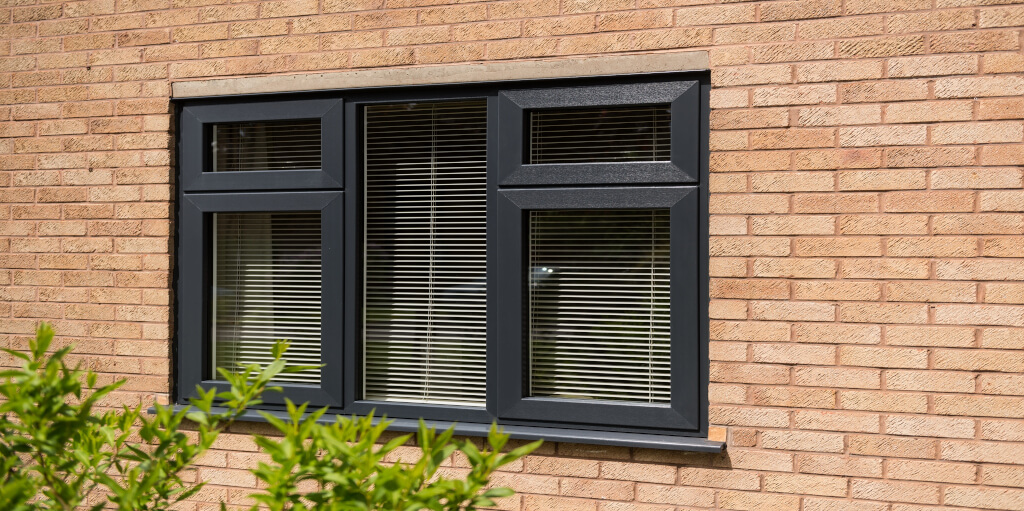
UK government data indicates that up to a quarter of heat loss in homes occurs through windows, and poorly performing window frames increase heat transfer, raising energy costs and carbon emissions.
What to specify instead
A window’s energy performance is not determined by glazing alone.
A U-value helps you understand how well-insulated a part of a building is, and the lower the U-value, the better the level of insulation.
Typical U-values for double glazed windows record between 1.2 W/m²K and 3.7 W/m²K, while triple glazed windows are usually rated below 1 W/m²K. When measuring U-value requirements it is important to consider the entire window unit, including frame, glass, and air gaps, and not just the glazing, to get an accurate calculation.
Shelforce’s products are highly accredited and surpass the standards of PAS 24:2016, as well as many other product certifications, including BFRC A window energy rating as standard, with A+ available.
Shelforce’s windows exceed the minimum energy rating regulations of C or above and can achieve U-values as low as 0.8 W/m²K.
Pitfall 2: Treating all thermal improvements as equal
Not all upgrades deliver the same return on EPC improvement or tenant comfort.
New EPC metrics look set to include energy cost, smart readiness, fabric energy efficiency (how walls, roof, and floor retain heat) and type of heating system, with carbon emissions also included as a secondary metric.
This means specifiers who focus solely on a single measure, replacing windows in isolation without considering the wider building fabric, may find their EPC score improves less than expected.
There is evidence that where retrofit projects do not include advice, the intended outcomes are often only partially achieved, particularly with respect to fuel cost savings and reductions in carbon dioxide emissions.
The fabric-first principle matters. Glazing, wall insulation, ventilation, and heating system upgrades work in combination. Specifying high-performance windows alongside air-leakage control consistently produces better measured results than any single measure in isolation.
PAS 2035 is a strong, whole-house, multi-measure specification for retrofitting dwellings. When used alongside PAS 2030, it ensures retrofit projects are holistically planned, quality-assured, and deliver the intended outcomes, backed by insurance protections for landlords.
Pitfall 3: Poor installation undermining high-quality products
You can specify an A+ rated window and still produce a thermally poor outcome if installation is not carried out correctly.
A team of skilled fabricators and professional installers must ensure that each window and door meets UK building regulations. Proper installation is essential for maximising performance and durability. Installers should be trained to deliver consistent quality, ensuring that each product functions as intended, meets industry standards, and offers long-term benefits for both tenants and housing providers.
Pitfall 4: Ignoring the link between glazing and damp
Condensation and mould are not just comfort issues; they are regulatory liabilities.
Well-designed double glazing reduces heat transfer, lowers energy bills, and curbs heat loss through windows. It also mitigates internal condensation, mould, damp, and poor indoor air quality.
Less condensation means less damp, less mould, fewer tenant complaints, and lower risk of regulatory or health liability. In social housing, the Regulator of Social Housing emphasises prompt action on damp and mould and expects landlords to maintain robust processes and remediation.
Where properties are still fitted with single glazing or older double-glazed units with failed seals, surface condensation on cold glass is almost inevitable during winter months. That moisture feeds mould growth on surrounding surfaces, and in the current regulatory climate, housing associations face significant reputational and legal risk when this is not addressed proactively.
Upgrading to thermally efficient glazing is one of the most direct interventions available.
Pitfall 5: Procurement decisions that ignore whole-life cost
The cheapest product at tender stage is rarely the lowest-cost product over 25 years.
For social housing projects, investing in durable, low-maintenance windows and doors is a decision that pays off in reduced costs, regulatory compliance, and long-term value.
A procurement framework that prioritises capital cost alone will repeatedly choose products with shorter lifespans, higher maintenance demand, and greater susceptibility to seal failure. The true cost of that decision is spread across years of call-out repairs, failed inspections, and premature replacement cycles.
Properly installed and maintained high-performance double glazing can last over 25 years.
Durable, energy-efficient windows and doors reduce maintenance and support environmental goals by limiting waste. By choosing materials that offer extended lifespans, such as PVCu and aluminium, social housing providers contribute to sustainability objectives.
Pitfall 6: Underestimating the importance of accreditation
Accreditation is not a box-ticking exercise. It is the mechanism by which a product’s performance claim is verified.
Local authorities must navigate a complex landscape when procuring trade windows. They need to balance multiple factors, including regulatory compliance to ensure all products meet current building regulations and safety standards, and energy efficiency to select windows that contribute to reducing carbon emissions and energy consumption.
If the product does not come with documented evidence of its energy rating, that improvement may not be credited in the updated EPC.
Shelforce is audited twice a year to ensure customers always receive the best products and can expect the highest standards of workmanship and service.
All products are manufactured to meet current building regulations and product standards, providing the documentation trail that asset managers need for compliant refurbishments.
How does Shelforce support housing associations?
Supporting retrofit programmes with a strategic approach to energy management helps organisations achieve much greater efficiency, reduce their environmental impact, and move toward net zero emissions while delivering a strong positive impact for their communities.
Shelforce specialises in the manufacture, supply, and installation of windows and doors tailored to social and affordable housing. High quality, energy efficiency, and low maintenance, Shelforce’s business processes put the community first.
Recognising the importance of maximising every penny of the budget, Shelforce offers value-engineered products that provide the best balance of quality, performance, and cost-effectiveness. Shelforce simplifies the complex world of building standards and energy efficiency ratings, offering clear, transparent information about products’ performance and compliance.
With products covering uPVC casement windows, reversible windows, and composite doors, Shelforce manufactures across the full range of building types found in social housing stock, from low-rise estates to high-rise towers.
Shelforce utilises quality trade uPVC window products via market leaders Eurocell. This allows the business to operate safe in the knowledge that window systems are constructed from the highest standard 100% recycled uPVC components, seamlessly combined with the best standards of workmanship.
To discuss your next social housing refurbishment or energy efficiency upgrade programme, contact the Shelforce team.
Frequently Asked Questions:
1. What are common mistakes when improving energy efficiency in housing?
Common mistakes include focusing on single upgrades instead of a whole-building approach, using poor-quality materials, and failing to meet current building regulations. In social housing, incorrect specification or installation can reduce performance and lead to higher long-term costs. Evidence shows that proper specification of windows and doors is key to improving overall thermal performance.
2. Why is proper specification important in energy efficiency upgrades?
Proper specification ensures that all components, including windows and doors, meet required performance standards. In social housing, this is critical because upgrades must align with regulations such as Part L and deliver consistent results across multiple properties. Poor specification can lead to underperformance and wasted investment.
3. What challenges do housing associations face when improving energy efficiency?
Housing associations face challenges including limited budgets, ageing housing stock, and the need to meet stricter energy targets. Many properties were not built to modern standards, which makes upgrades more complex. Efficient use of resources and reliable supply chains are essential to deliver improvements at scale.


 >
>