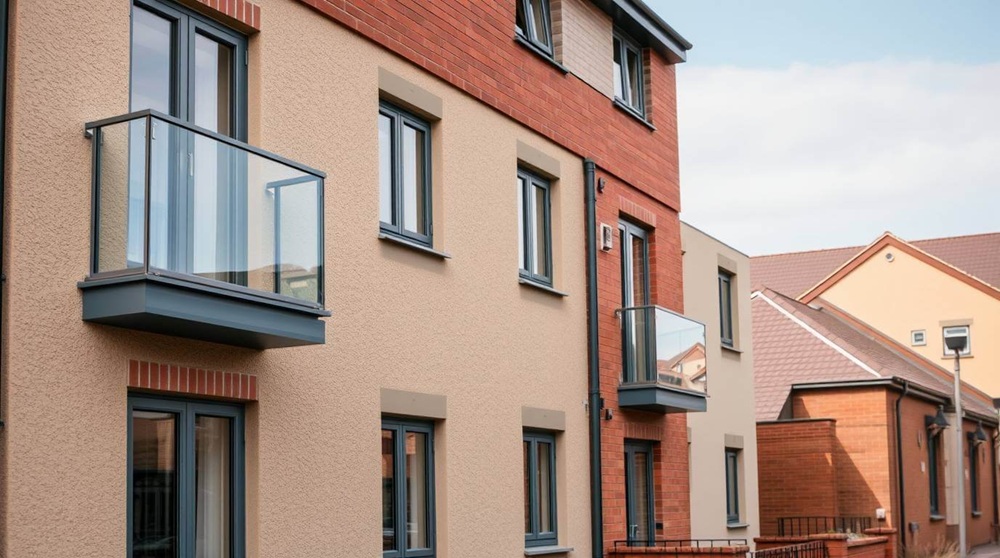
Social housing plays a vital role in providing safe, affordable homes for families, individuals and vulnerable households across the UK. As a housing provider or social landlord operating council housing, housing association stock or affordable housing units, there is a duty to ensure that properties meet rigorous fire safety standards. With increasing attention on building and fire safety, especially in the wake of tragic events and evolving regulation, it is more important than ever that social housing tenants are protected, and social housing provision meets both legal requirements and best practice.
Here, we consider why compliance with fire safety regulations matters, the challenges faced by social housing providers, and how investing in high-quality fire-rated doors such as those supplied by Shelforce helps deliver safer living conditions for social housing communities.
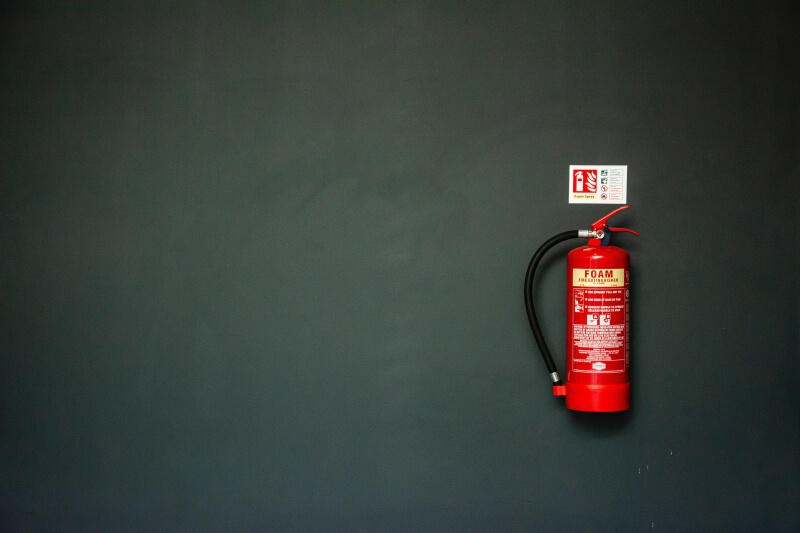
Why fire safety matters in social housing
According to a recent survey from the Regulator of Social Housing (RSH), in 2024–25 nearly 1,900 social housing buildings over 11 metres had identified life-critical fire safety defects linked to external wall systems.
In the same period nearly all relevant buildings (99.9 per cent) had undergone a fire risk assessment.
Fire and rescue services conducted 588,855 home fire safety visits across England in the year ending March 2025, a 2.9 per cent rise on the previous year, with 85 per cent of those visits directed at households with at least one vulnerable resident.
These figures underline the scale of fire safety risk within rental housing, including social housing units. For social landlords — whether local authority housing authorities, housing associations or private registered providers — it is a compliance imperative and an ethical responsibility to deliver secure, safe homes.
What role do social housing providers play in delivering safe affordable homes?
Social landlords, whether housing associations, local council housing authorities or private registered providers, have a duty to meet both housing need and safety obligations. Social housing and council housing stock must deliver affordable homes to those in greatest need, but not at the expense of safety.
By specifying correct fire-rated doors, undertaking fire risk assessments and planning remediation projects carefully, providers of social housing demonstrate responsible stewardship of housing communities. They show commitment to affordable housing, social housing provision and long-term safety across rental housing units.
Local authorities and housing authorities must also set clear policies, allocate budgets, and monitor compliance, including residency requirements, allocation of social housing units, and maintenance of safe housing communities.
Working together, social landlords, local authorities, housing providers and maintenance partner, the social housing sector can offer safe, secure and affordable homes that meet both regulatory standards and the needs of tenants.
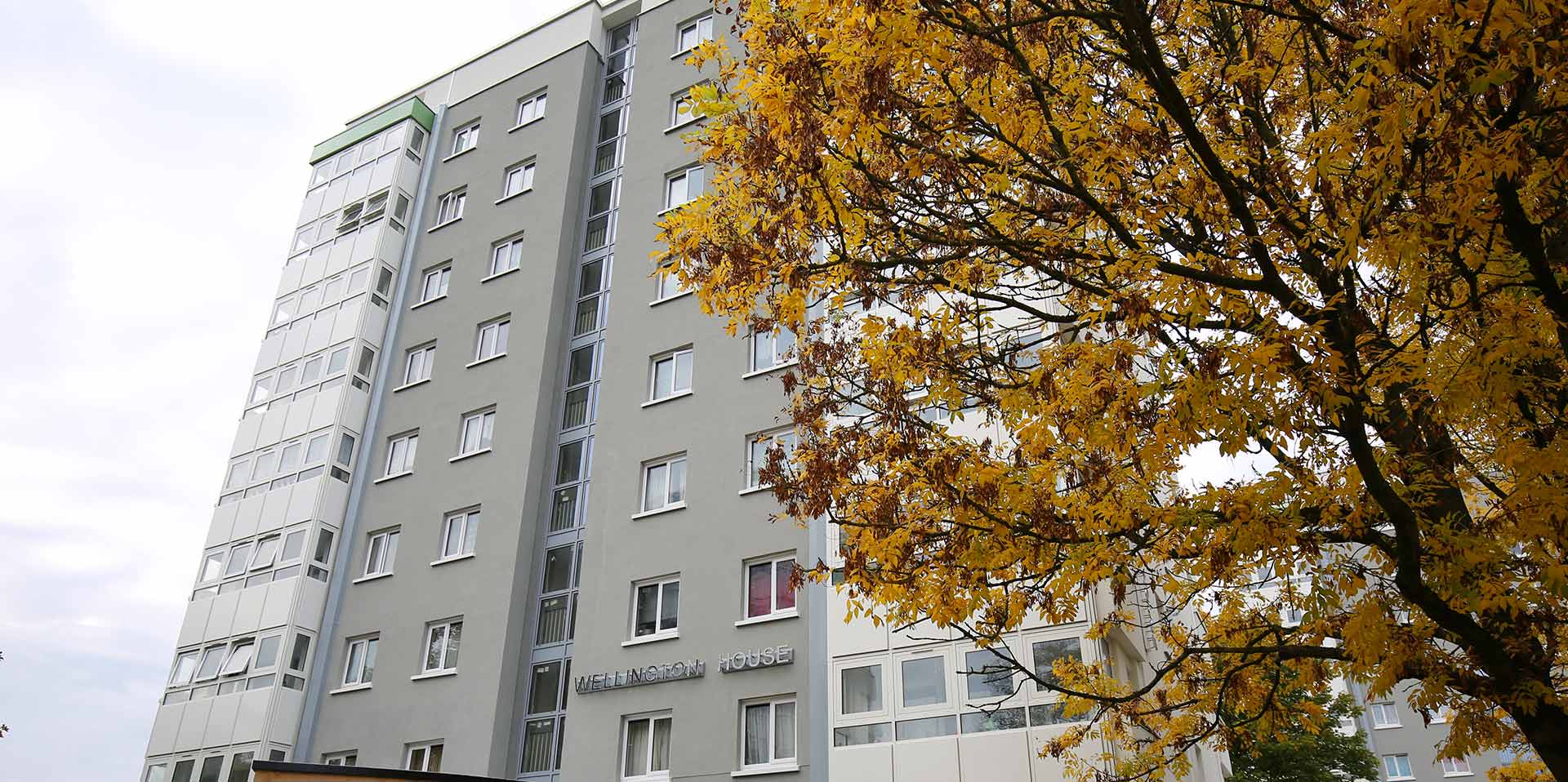
What regulations must social housing providers meet?
The regulatory landscape
Social housing providers must comply with a wide range of regulations and guidance. Key among these are fire safety requirements under building regulations, recognised standards for fire doors and associated hardware, and obligations to carry out fire risk assessments and remedial works where necessary.
The Ministry of Housing, Communities and Local Government (MHCLG) issues guidance (for example in its 2020 revision to Annex A) on fire door performance and installation. Approved Document Q governs security expectations for external doors in new dwellings — a vital consideration in external fire doors, especially those used by social housing providers.
Fire doors and doorsets must be specified, tested and installed correctly so they perform as intended. For example, door sets tested to the accepted standard deliver a defined period of fire resistance, and hardware (frames, hinges, glazing, locks) must be compliant with relevant standards and approved certification regimes.
Fire doors: FD30 and FD60
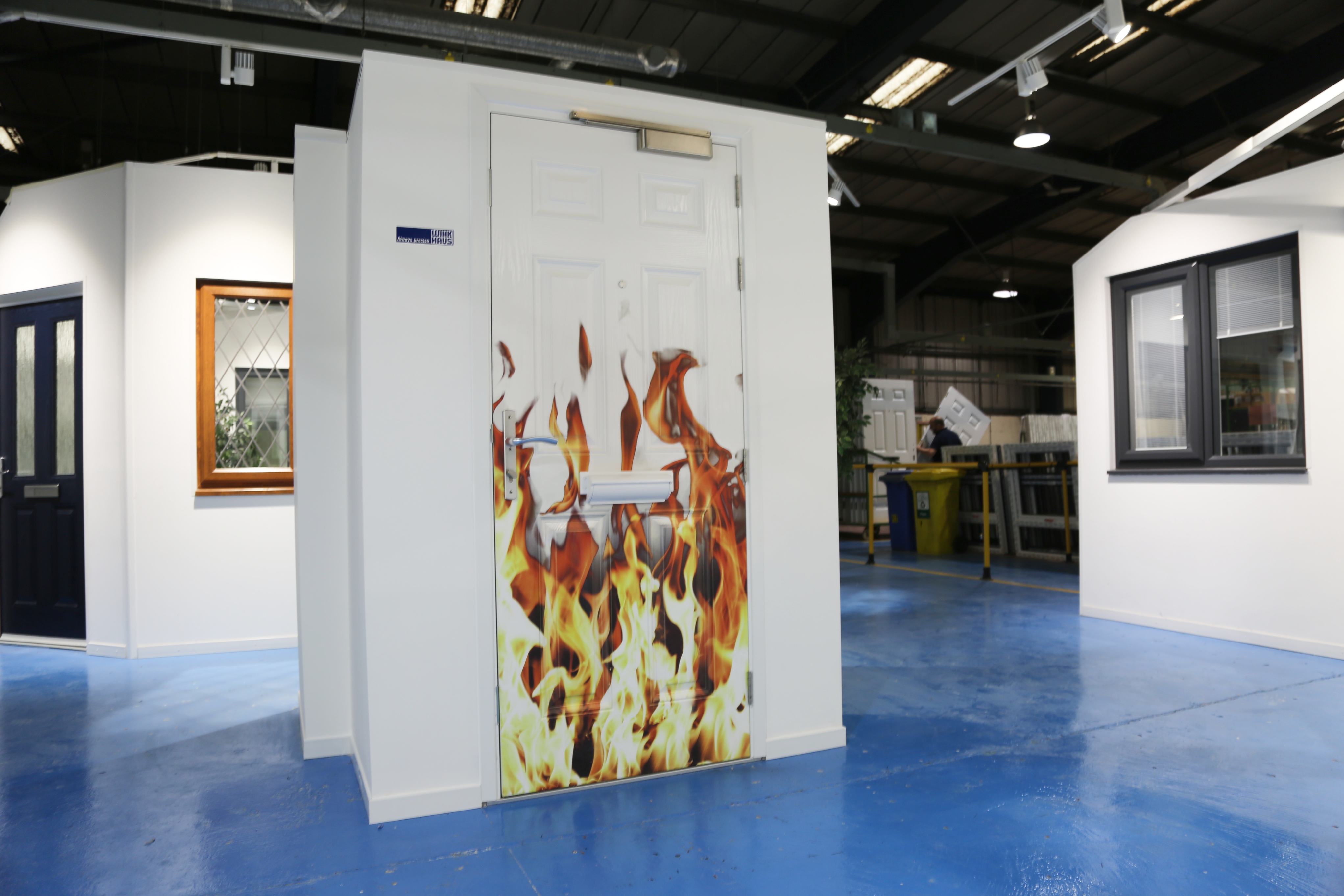
The classification FD30 or FD60 refers to fire doors tested to provide 30 or 60 minutes’ resistance, respectively, to fire and smoke, under standards such as EN 1634-1:2014 + A1:2018 and EN 1363-1:2012. Smoke control doors also require testing to EN 1634-3:2004. These standards ensure that doorsets — including the leaf, frame, glazing (if any), seals and hardware — act as reliable fire barriers when correctly specified and installed.
Using third-party certified composite doorsets helps to provide the assurance that social landlords need to meet fire safety regulations and protect members of the household in the event of fire.
How fire-rated doors contribute to safer social housing
Investing in properly tested composite fire doors and compliant hardware is one of the most effective ways social landlords can meet their obligations and protect social housing tenants. Here’s how:
- Reliable fire resistance: Certified fire doors tested under EN 1634-1 and related standards offer 30 or 60 minutes of resistance, giving occupants critical time to escape and fire services time to respond.
- Smoke control: Doorsets meeting EN 1634-3 standards help prevent the spread of smoke — a major cause of fatalities and injuries.
- Security and durability: High-quality composite fire doors offer strength, burglar-resistant design, and robust hardware (hinges, locks, handles) compliant with security standards such as PAS24 and Approved Document Q. This benefits external fire doors where security and fire protection must go hand in hand.
- Compliance with guidance: Doors such as the Fireshel offered by Shelforce, with a Winkhaus FD30/FD60 FireFrame® outerframe, are designed to meet the 2020 guidance under MHCLG Annex A, while offering slim internal sight-lines, easy-clean surfaces and optional compliant fanlight glazing panels.
- Peace of mind and assurance: Because these doors have undergone rigorous testing, pass third-party certification, and carry a 10-year guarantee, social housing providers can have confidence in their long-term performance.
In short, fire-rated door sets are a key asset in managing fire risk across social housing units and housing communities, helping providers fulfil regulatory duties and create safer homes.
What does compliance look like in practice?
For a social landlord or housing association specifying fire-rated doors, compliance involves several linked steps:
Specification: ensure composite doorsets are fully tested (leaf, frame, glazing, seals, hardware) and certified for FD30 or FD60 performance, with smoke control where required.
Correct installation: installation must follow the certified specification, including correct frames (e.g. Winkhaus FireFrame®), intumescent strips and smoke seals, compliant glazing, certified hinges and locks.
Hardware compliance: for external doors, ensure locks meet PAS24 or Approved Document Q standards, that locking hardware is multi-point and optionally auto-locking (for security), and that glazing panels use approved fanlight glazing where needed.
Fire risk assessment and ongoing maintenance: integrate fire door condition checks into regular fire risk assessments, maintain self-closing devices, seals and hardware; replace worn or damaged doors promptly.
Record-keeping and certification: maintain records of certification, installation, and maintenance; ensure social housing tenants are informed and safety documentation is available for local authorities, housing authorities or building control.
By following these steps, social housing providers can help secure compliance, reduce liability, and protect members of the household in case of fire.
Why social landlords should treat fire-rated doors as essential (not optional)
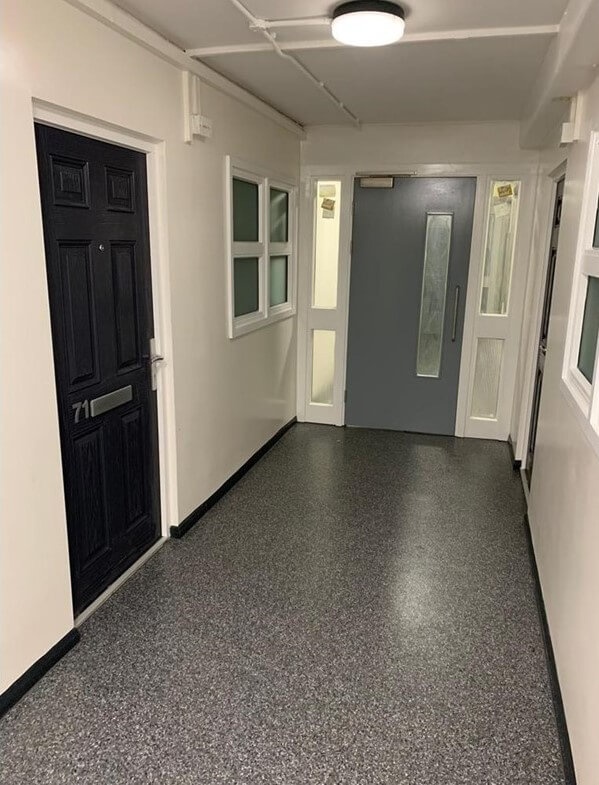
For social housing providers — including housing associations, local authority housing departments, private registered providers or other social landlords — investing in certified fire-door sets should be treated as essential. Here’s why:
- It reduces the risk of life-critical fire safety defects in social housing units.
- It provides compliance with building regulations (including guidance under MHCLG).
- It protects both tenants and the housing provider from liability.
- It supports long-term maintenance strategies and durability of housing stock.
- It reassures residents and local councils that affordable homes meet high safety standards.
In an era where fire safety is under increasing regulatory and public scrutiny, failure to act can result in reputational damage, legal risk, and — most importantly — potential harm to social housing tenants.
Contact Shelforce now
If you are a housing association, local council or other social landlord reviewing fire-safety standards in your portfolio, consider specifying certified composite fire-rated doors. At Shelforce we manufacture and supply fire doors designed to comply with 2020 MHCLG Annex A guidance, tested under EN 1634-1, EN 1634-3 and related standards, with PAS24 security locks and a 10-year guarantee.
Contact our team today to discuss how these doorsets can play a central role in your fire safety upgrade strategy — and help you deliver safer, more secure, affordable homes for social housing tenants.


 >
>