
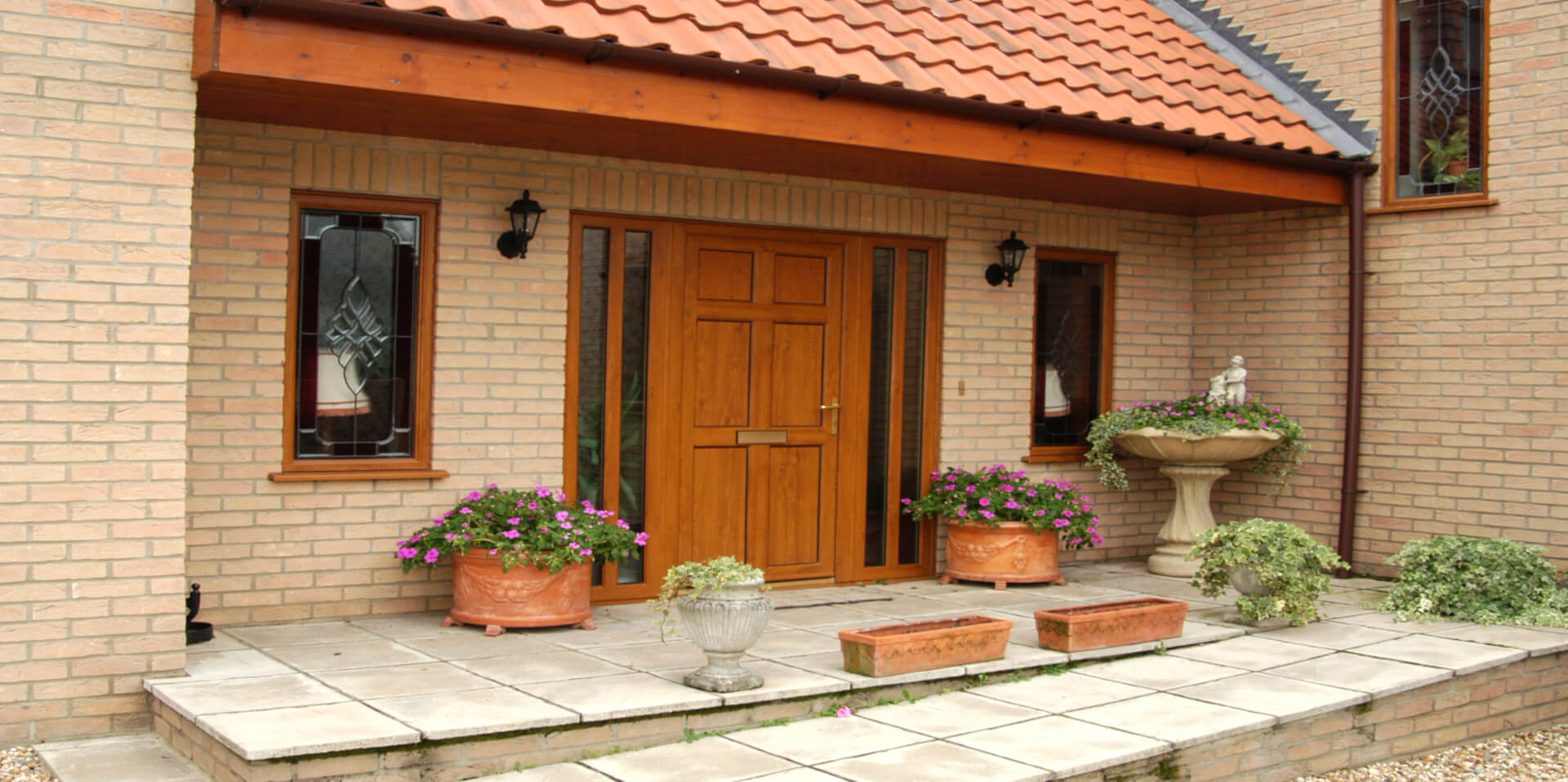
Fire safety in public buildings depends on many connected decisions, from layout and materials to ongoing maintenance. Doors are among the first things facilities managers review, particularly where escape routes and compartmentation are concerned. A common question is whether a double glazing door can improve fire safety, or whether its role is often misunderstood.
As a long-established manufacturer of compliant uPVC doors for local authorities, Shelforce works closely with specifiers who need clarity, not assumptions. Below, we explain what double glazed doors can and cannot do in a fire safety context, and what public buildings should consider first.
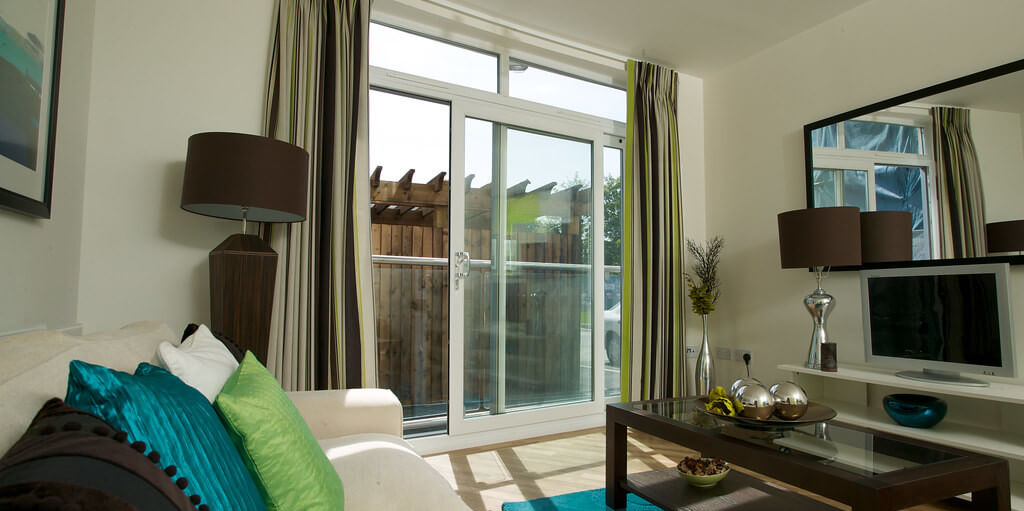
Do double glazing door systems improve fire safety?
A double glazing door uses two panes of glass separated by a sealed cavity. This construction offers clear benefits for energy efficiency, reduced external noise and improved insulation compared with single glazing. By limiting heat transfer, double glazing can slow the amount of heat moving between spaces for a short period.
In a fire, this may help adjacent areas remain cooler for longer, supporting evacuation and providing peace of mind. However, standard double glazing is not fire-resistant. Ordinary glass panes can crack under high temperatures, allowing smoke and flames to spread quickly.
Fire safety benefits only apply when the door is part of a certified fire-rated system.
Thermal performance and heat transfer in an emergency
Modern doors with layers of glass are designed to manage everyday thermal demands. In public buildings this supports:
- Lower heat loss through external doors, back doors and internal doors
- Better control of the amount of heat moving through busy areas
- Reduced reliance on mechanical heating
During a fire, reduced heat transfer can be helpful, but it is not a substitute for tested fire resistance.
Why glazing alone is not enough
Fire performance depends on the entire door assembly. A fire-rated glass panel installed into a non-rated upvc door frame will not perform as required. Certified systems include:
- Fire-rated double glazing
- Intumescent seals that expand under heat
- Fire-resistant frames and hardware
These systems are tested to withstand fire for 30, 60 or 90 minutes, helping protect escape routes and limit smoke spread.
Material choice and compliance considerations
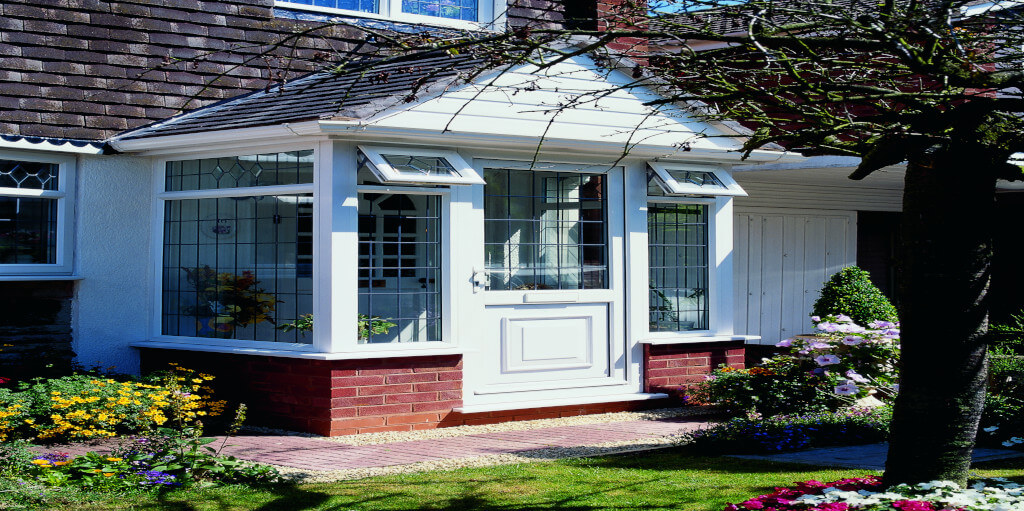
Public buildings must meet Building Regulations guidance, including Approved Document B. Facilities managers should confirm that any new double glazing door is fully certified, correctly installed and suitable for its location, whether used as an external front door, exterior doors or internal compartmentation.
Shelforce manufactures robust uPVC door systems for public sector use, including composite doors and residential doors, designed for durability, low maintenance and compliance. While composite doors and new double glazed domestic doors are common in housing, public buildings require proven performance backed by certification.
Shelforce’s Fireshel: A certified fire door solution
For public buildings that require more than energy-efficient external doors, Shelforce’s Fireshel fire door offers a purpose-built solution with proven fire performance. The Fireshel FD30 and FD60 doorsets are tested to recognised EN standards and include
fire and smoke control certification, giving facilities managers confidence that these modern doors will protect escape routes and compartment lines effectively.
They incorporate robust intumescent seals and high-security hardware within durable composite frames, and come with a long-term guarantee and full compliance documentation for audit purposes, ideal for schools, housing and civic premises
Best practice guidance for facilities managers
When reviewing new doors, focus on the easiest ways to reduce risk:
- Do not assume double glazing equals fire resistance
- Check certification for the full door set
- Confirm suitability for front door and internal use
- Inspect seals, frames and hinges regularly
- Replace ageing doors showing heat damage or failed glass panes
Natural light, security and energy efficiency matter, but fire safety comes first.
Key takeaways
- Standard double glazing doors are not fire-rated by default
- Fire safety relies on the full tested door system
- Improved insulation and thermal control offer secondary benefits
- Compliance and correct installation are essential
Ready to review your door strategy?
If you are assessing new doors for a school, housing scheme or public facility, Shelforce can help you specify compliant door solutions built for long-term performance. Contact our team to discuss your requirements and ensure your door strategy supports safety, durability and regulatory confidence.
Frequently Asked Questions
Are double glazed doors fire-resistant by default?
No. Only doors tested and certified as complete fire-rated systems provide reliable fire and smoke protection.
Can fire-rated doors include glazing
Yes. Fire-rated glazing can be used when it forms part of a fully tested and certified doorset.
Do fire-rated doors need special maintenance?
Regular inspections are required to ensure seals, frames and hardware remain intact and compliant.


 >
>